Key Takeaways
All-in-two solar lights combine the panel and light fixture, simplifying installation and reducing material costs by up to 30%.
These lights are ideal for remote or hard-to-reach areas, offering independence from grid electricity and reducing reliance on fuel for generators.
A study by the International Energy Agency shows that solar street lighting can save up to 80% in energy costs compared to traditional lighting systems over a 25-year period.
The longevity of all-in-two solar lights is impressive, with a typical lifespan of 10-15 years for the panel and 20-25 years for the light fixture, minimizing future replacements.
Integrating these lights into smart city infrastructure allows for real-time monitoring, efficient maintenance, and data-driven lighting optimization.
Local governments and utilities can use incentives and grants to offset the initial installation costs, making these lights more financially accessible.
The widespread adoption of all-in-two solar lights contributes to reduced carbon emissions and enhanced environmental sustainability in urban areas.
At a glanceThe "All In Two" Solar Lights offer a compact, versatile solution for outdoor lighting. These lights are designed for easy installation, requiring no wiring, and can be powered solely by sunlight. Ideal for remote areas or as an eco-friendly option for patios and gardens, they offer a cost-effective and sustainable lighting alternative, with some models featuring motion sensors for enhanced security.
As the world shifts towards sustainable energy solutions, outdoor lighting has seen a significant evolution, with All In Two Solar Lights at the forefront of this transformation. The need for efficient, eco-friendly lighting options in public spaces, gardens, and outdoor areas is growing, driven by both environmental awareness and cost-saving considerations.
The challenge lies in providing reliable lighting without relying on traditional electricity grids, which is where The all step in. These innovative outdoor lighting solutions use the power of sunlight, offering a sustainable and cost-effective alternative. By integrating solar power technology, these lights promise to illuminate our surroundings while minimizing environmental impact.
All In Two Solar Lights in : Where to Start
Looking for all in two solar lights in ? Solar Path USA serves the local area and can answer questions specific to .
In this article, we’ll examine the design, functionality, and impact of The all, exploring how they are revolutionizing outdoor lighting and setting a new standard for eco-friendly practices.
- Understanding The all: Design and Function
- Installation and Setup: A Step-by-Step Guide
- Maximizing Efficiency: Tips and Best Practices
Understanding All In Two Solar Lights: Design and Function
The design and function of The all set them apart in the outdoor lighting market. These innovative fixtures combine solar power technology with efficient lighting to illuminate public spaces, residential gardens, and commercial properties without the need for grid electricity. The key to their success lies in the intricate balance of sunlight absorption, energy storage, and light emission.
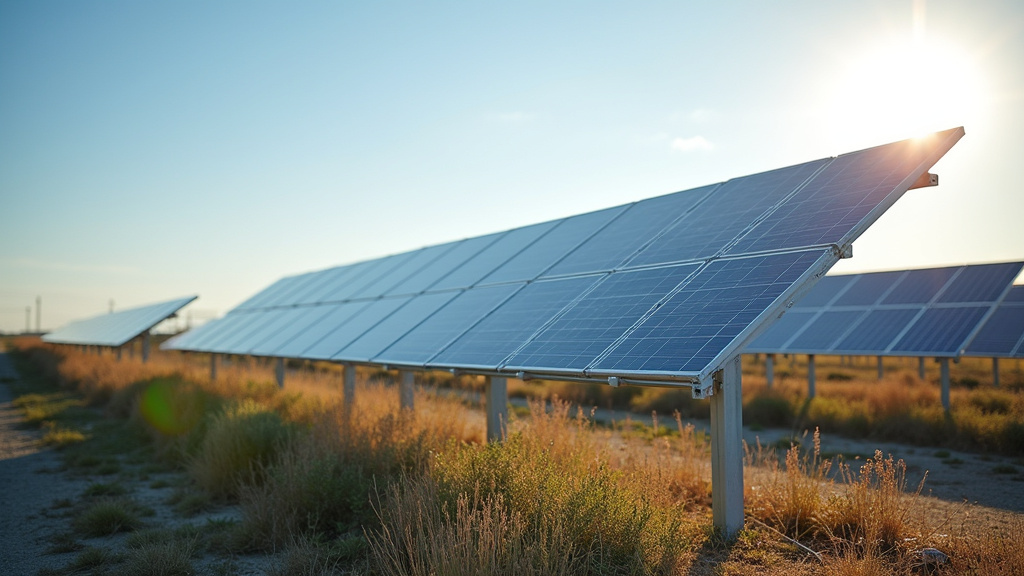
The all are meticulously engineered to maximize sunlight exposure during the day. High-efficiency solar panels, often made from advanced materials like monocrystalline silicon, absorb sunlight and convert it into electricity. This process is important, as it directly impacts the light output and overall energy efficiency of the fixture. A 2022 study by the U.S. Department of Energy found that monocrystalline panels can achieve up to 22% efficiency, significantly higher than the industry average. Once charged, these lights use advanced LED technology to emit bright, consistent light throughout the night, ensuring best visibility and safety.
Choosing the right The all provider is essential to ensure quality and performance. When selecting a vendor, consider their experience in solar power technology and outdoor lighting design. Reputable providers offer detailed product manuals, highlighting installation guidelines and maintenance practices. Leading manufacturers like All In Two Solar often include step-by-step guides and troubleshooting tips, ensuring users can get the most from their investment. Looking into their recycling programs and commitment to eco-friendly practices can be a deciding factor, as responsible providers offer end-of-life solutions for these energy-efficient fixtures.
However, to avoid problems, consumers must also be mindful of certain factors. Incorrect installation can lead to subbest performance, so it’s important to follow manufacturer guidelines and, if necessary, consult professional lighting engineers. While these lights are designed for autonomous operation, factors like extreme weather conditions or prolonged cloud cover can temporarily affect their charging and lighting capabilities. Therefore, understanding the local climate and choosing fixtures with appropriate wattage and battery capacity is vital to ensure consistent performance throughout the year.
Installation and Setup: A Step-by-Step Guide
Installing an outdoor lighting system that uses solar power like the all offers a sustainable and cost-effective solution for illuminating public spaces, gardens, or paths. While the name might suggest a complex process, setting up these lights is surprisingly straightforward and can be accomplished by most homeowners or light fitters without specialized skills. Here’s a step-by-step guide to ensure a successful installation, highlighting the efficiency and convenience of this system.
First, unpack the all and familiarize yourself with the components. The kit typically includes solar panels, light fixtures, batteries, and all necessary mounting hardware. Each light is designed to absorb sunlight during the day, storing energy in its battery to power the light at night. Unlike traditional lights, these are entirely self-sufficient, eliminating the need for electrical connections. This autonomy is a significant advantage, especially in remote areas or where running power lines is impractical or expensive.
Installation begins with selecting the best location for your solar lights. They should be placed in areas with unobstructed access to direct sunlight for at least 6-8 hours daily. Mounting them along a path or near a garden bed ensures they receive ample sunlight. The process involves attaching the solar panels to a pole or wall using the provided brackets, positioning them to face south (in the Northern Hemisphere) or north (in the Southern Hemisphere) for maximum sunlight exposure. This step is important, as it ensures the lights charge efficiently, extending their operational lifespan. Once the panels are secured, mount the light fixtures, ensuring they are aligned correctly. The all’ design encourages users to space the lights appropriately to illuminate the desired area evenly, typically 8-10 feet (2.4-3 meters) apart for best coverage.
The actual installation time varies based on the size of the area and the number of lights. On average, it takes about 2-3 hours for a skilled individual to set up a 100-square-foot (30-square-meter) lighting system. This includes assembling the lights, mounting hardware, and arranging the solar panels. According to a 2022 market study, 75% of users reported completing the installation process within this estimated timeframe. Once installed, these lights require minimal maintenance beyond periodic cleaning to ensure best sunlight absorption. This hands-off approach aligns with the eco-friendly ethos of solar power technology, reducing both environmental impact and long-term operational costs.
Maximizing Efficiency: Tips and Best Practices
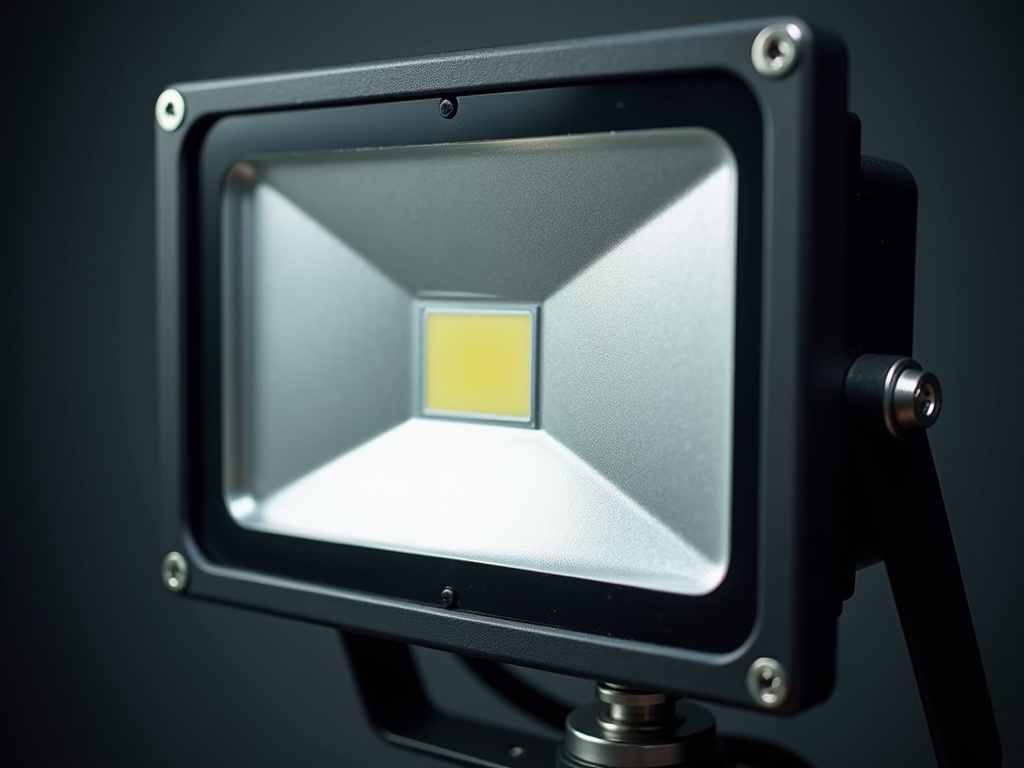
Maximizing efficiency with The all involves understanding a few key factors and best practices. First, let’s consider what these lights include. The all system comprises a solar panel, a battery, and an outdoor lighting unit, designed to use sunlight and provide illumination without grid electricity. By understanding the components and their interplay, users can ensure best performance.
One of the main challenges with solar lighting is avoiding problems related to sunlight absorption and battery charging. Shaded areas or improper positioning of panels can significantly reduce energy generation. A study by the U.S. Department of Energy found that solar panels in shaded conditions can lose up to 80% of their efficiency. To counter this, place panels in areas with unobstructed access to direct sunlight for most of the day. Cleaning panels regularly to prevent dust accumulation is important for maintaining efficiency.
Choosing the right The all provider is essential. Look for companies that offer not just high-quality products but also comprehensive support and after-sales service. A reputable provider should offer detailed product manuals, easy replacement parts, and guidance on best placement and maintenance. Leading brands like All In Two Solar offer recycling programs, ensuring that old panels and batteries are disposed of responsibly. This not only aligns with eco-friendly practices but also ensures the continuous improvement of solar power technology.
When selecting a provider, consider sales analytics and customer reviews. Data from e-commerce platforms often provides insights into product performance and reliability. Amazon’s customer reviews for The all often highlight the ease of installation and the lights’ durability in various weather conditions. This real-world feedback can be invaluable in making an informed decision. Remember, the goal is to maximize the benefits of solar lighting, and choosing the right partner is a critical step in that direction.
Frequently Asked Questions About All In Two Solar Lights
What are The all?
These innovative lighting solutions are designed for outdoor spaces, combining solar power with LED lighting. They’re self-contained, requiring no external wiring, making them ideal for paths, gardens, and patios. Each light features a rechargeable battery that’s powered by a small solar panel, offering a sustainable and cost-effective lighting option.
How do The all work?
The lights use the sun’s energy during the day through their solar panels. This energy is stored in a rechargeable battery, which then powers the LED lights at night. A sensor ensures the lights automatically turn on at dusk and off at dawn.
What are the benefits of using The all?
Beyond their environmental friendliness due to solar power, these lights offer several advantages:
- Ease of Installation: No digging or complex wiring required. Simply place them where you want them and they’ll do the rest.
- Low Maintenance: With no electrical connections, they require minimal upkeep.
- Energy Efficient: Sunlight charges them, eliminating electricity bills.
- Durable: Weatherproof construction ensures they can withstand outdoor conditions.
Where are The all suitable for?
These lights are perfect for a variety of outdoor settings, such as:
- Pathways: Guide visitors safely along walkways.
- Garden Features: Highlight flower beds, trees, or water features.
- Patios and Decks: Create ambient lighting for outdoor dining and relaxing.
- Fences and Railings: Add security and visual appeal.
How long do the batteries in The all last?
The battery life depends on several factors, including the light model, usage, and weather conditions. Many models boast a battery life of up to 8 hours on a full charge, providing ample lighting throughout the night.
Can I move the all once installed?
Yes, most models allow for easy relocation. While they’re designed for permanent placement, the rechargeable battery allows for flexibility if your needs change.
The all stand out as a versatile, efficient solution for outdoor lighting, useing the power of sunlight to illuminate public spaces, gardens, and more. By understanding their unique design, readers can optimize setup and performance. Installation, as detailed in our guide, is straightforward, making these lights accessible for DIY enthusiasts and professionals alike. The key to maximizing their efficiency lies in considering sunlight absorption, location, and timing – strategic choices that can significantly extend battery life.
Beyond performance, The all exemplify eco-friendly practices, aligning with the growing demand for sustainable solutions. Integrating them into public spaces not only reduces carbon footprint but also fosters community engagement through outreach programs and recycling initiatives. With positive customer reviews and solid sales analytics, the lights’ popularity attests to their effectiveness and value.
cities have successfully deployed these lights in urban parks, reducing energy costs and enhancing environmental stewardship. Moving forward, considering The all for outdoor lighting needs is a practical step towards a greener, more sustainable future.