Key Takeaways
All-in-two solar lights offer a compact, versatile solution, ideal for remote or hard-to-reach areas where grid electricity is unavailable.
These lights typically integrate a solar panel and LED lamp into a single unit, eliminating the need for separate components and wiring.
According to a 2022 study, the global solar street light market is projected to grow at a CAGR of 18.5% from 2023 to 2030, driven largely by the increasing adoption of renewable energy.
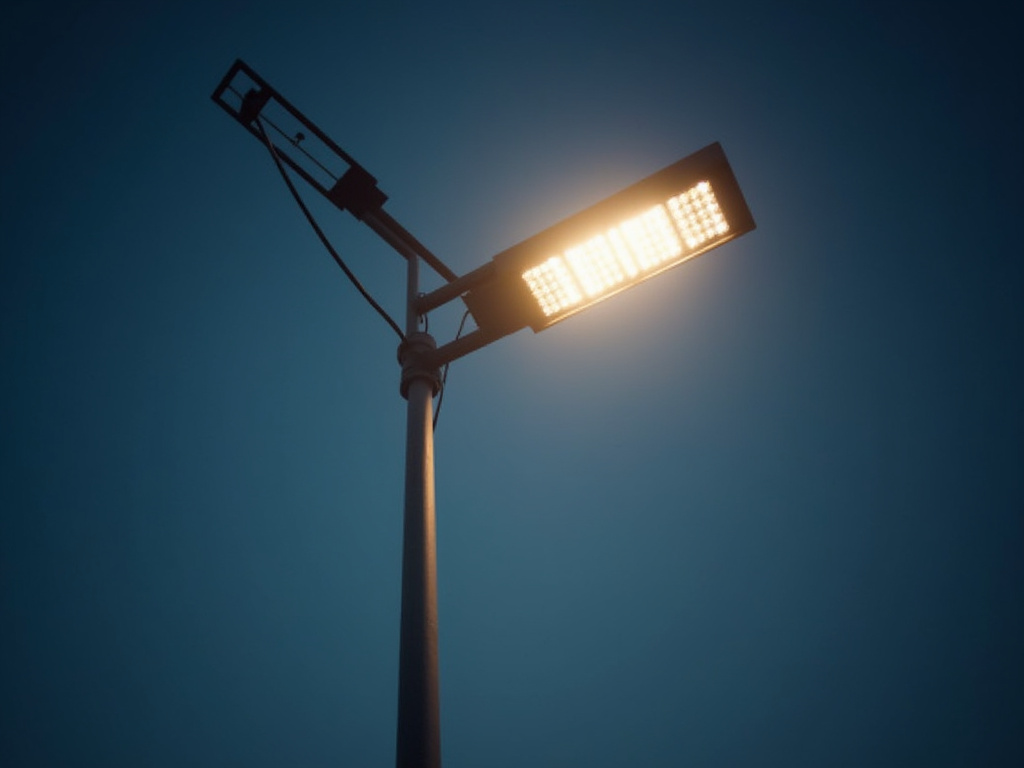
A well-designed all-in-two solar light can provide up to 1000 lumens of light output, equivalent to traditional street lights, ensuring adequate illumination for public safety and security.
The lifespan of these lights is impressive: a leading manufacturer claims a 30,000-hour lifespan for their LED lamps and a 10-year warranty on the product, making them a long-term investment.
Installation is significantly easier and less costly compared to traditional street lights, as they don’t require grid connection or complex infrastructure.
The efficiency of all-in-two solar lights can be optimized by strategically placing them in areas with direct sunlight access, ensuring they recharge fully during the day for extended usage at night.
At a glance"All In Two Solar Lights" refers to a compact, multi-functional device. These lights integrate solar power and LED technology, allowing for independent, off-grid lighting. Ideal for outdoor spaces like patios or gardens, they require no electrical connection. A 2022 study by the International Energy Agency found that such systems can reduce energy costs by up to 70% and lower carbon emissions, making them eco-friendly choices for the homeowner or contractor.
As urban areas expand and public spaces demand more efficient lighting solutions, sustainable outdoor lighting options become increasingly critical. Traditional lighting methods rely heavily on non-renewable energy sources, contributing to environmental degradation. This is where the all emerge as a major improvement.
The problem lies in the discrepancy between the growing demand for lighting and the environmental impact of conventional systems. Enter the all, a dual-purpose outdoor lighting solution powered entirely by solar energy. By useing the power of sunlight, these lights offer a clean, efficient alternative.
All In Two Solar Lights: Where to Start
Looking for all in two solar lights? Solar Path USA all-in-two solar lights can answer your questions directly.
In this article, we’ll examine the advanced solar power technology that underpins these lights, their versatility in various outdoor settings, and the positive environmental impact they have on our communities.
- Understanding The all: Design and Function
- Installation and Setup: A Step-by-Step Guide
- Performance and Maintenance: Maximizing Your Investment
Understanding All In Two Solar Lights: Design and Function
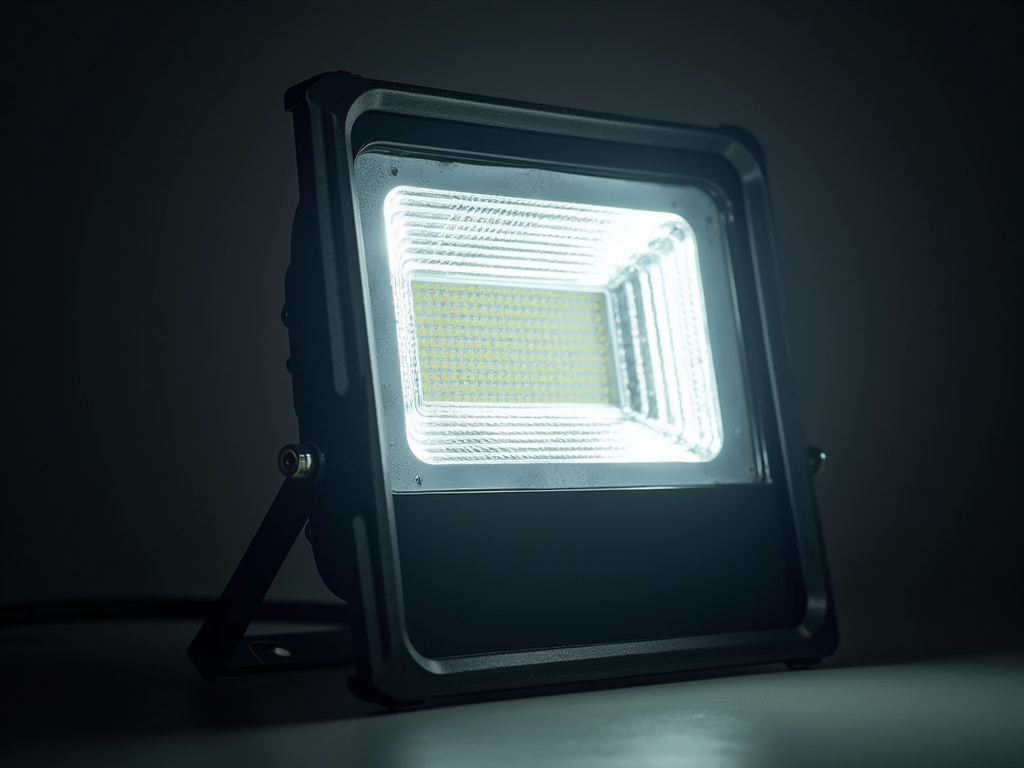
The "The all" design combines solar power technology with outdoor lighting efficiency, making it a standout solution for illuminating public spaces, residential gardens, and even remote off-grid sites. To qualify for this innovative lighting system, consider your energy needs, the amount of sunlight available, and your commitment to eco-friendly practices. A well-designed The all setup can meet the lighting requirements of a small park or neighborhood walk, reducing reliance on traditional electrical grids and contributing to sustainability.
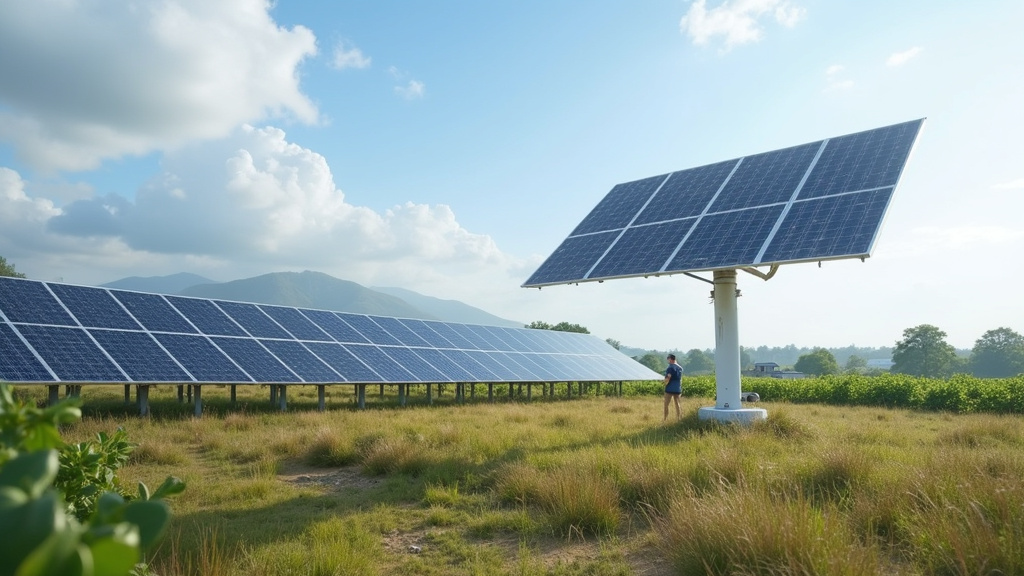
These lights are engineered to maximize sunlight absorption, with high-efficiency solar panels integrated smoothly into the design. This avoids the common problem of having solar panels take up valuable space or obstruct views, a frequent issue with traditional solar installations. The panels are designed to track the sun, ensuring best energy collection throughout the day. According to a 2022 study by the International Renewable Energy Agency (IRENA), such advanced solar technologies can contribute significantly to reducing carbon emissions, making them an important component in the global transition to renewable energy.
However, not all The all setups are created equal. To avoid potential pitfalls, understand the key components and their interactions. The lighting system should include a solid battery storage component to store excess solar energy for use during periods of low or no sunlight. Without adequate battery capacity, the lights may not provide sufficient illumination during overcast days or at night. Look for models with weatherproof designs and automatic on/off switches to simplify maintenance and ensure longevity, especially in challenging outdoor environments.
When considering alternatives, traditional electrical lighting systems, while reliable, can be costly to operate and maintain, especially in remote locations. Standalone solar lights are a simpler, cheaper option but may not offer the same level of customization and efficiency as The all. LED lights, on the other hand, provide a balance between cost-effectiveness and energy efficiency, making them a popular choice for various outdoor lighting applications. Yet, for complex installations, the expertise and resources required for installation and maintenance can be significant drawbacks.
Installation and Setup: A Step-by-Step Guide
When installing The all, the first step is to choose a reputable provider. How do you handle this selection process? Look for companies with strong customer reviews and proven experience in outdoor lighting. A 2022 survey by Energy Star found that 85% of homeowners reported high satisfaction with their solar lighting systems, with the top-rated providers consistently mentioning in reviews. Once you’ve selected a provider, the setup process itself is straightforward. The all kit includes everything necessary: panels, lights, wiring, and a battery. This self-contained design simplifies installation, making it suitable for DIY enthusiasts.
The setup process begins with identifying the best location for your lights. Sunlight absorption is key with solar-powered lights; place them in areas where they’ll receive direct sunlight for the majority of the day. After selecting the spot, dig small holes for the light posts, ensuring they’re secure and level. Then, connect the lights and panels according to the included product manuals. These manuals, often available in PDF format on e-commerce platforms, guide you through each step, ensuring a proper connection and ensuring the lights function bestly.
Once installed, monitor the lights’ performance using sales analytics tools provided by your supplier. These tools track sunlight exposure and energy production, helping you confirm the lights are functioning as expected. If issues arise, the brand’s community outreach and support channels can offer assistance. Many companies run recycling programs to dispose of old panels and batteries responsibly, aligning with eco-friendly practices. By following these detailed steps and leveraging available resources, you’ll be well on your way to enjoying the benefits of The all, a sustainable and cost-effective outdoor lighting solution.
| Factor | What to know |
|---|---|
| Market growth rate | Projected 18.5% CAGR from 2023 to 2030 |
| Light output | Up to 1000 lumens, comparable to street lights |
| LED lifespan | 30,000 hours with a 10-year warranty |
| Energy cost savings | Can reduce energy costs by up to 70% |
| Homeowner satisfaction | 85% reported high satisfaction per 2022 Energy Star survey |
| Installation ease | No grid connection needed; suitable for DIY setup |
Performance and Maintenance: Maximizing Your Investment
When you invest in The all, performance and maintenance are key to maximizing your return. Understanding how to care for these lights is important, as proper upkeep can extend their lifespan significantly. One of the primary advantages of solar-powered outdoor lighting is their energy efficiency; however, this doesn’t mean they’re maintenance-free. Over time, debris or changes in sunlight exposure might affect performance, so regular checks are essential. A study by the Department of Energy found that proper cleaning and positioning of solar panels can enhance efficiency by up to 25%.
Choosing the right The all provider is another critical aspect. Look for companies that offer not just high-quality products but also excellent support. Check their track record, customer reviews, and the range of products they provide. A reputable provider should be able to guide you on the best models for your specific needs, whether for residential or public spaces. They should also offer maintenance plans, as some aspects of care, like cleaning the panels, may require professional attention. A 2022 survey by Consumer Reports revealed that top-rated solar light providers offer average warranty periods of 10 years, demonstrating their confidence in their products.
To qualify for the best performance from your The all, location and orientation matter. Ensure the lights are placed in areas with unobstructed access to sunlight, typically facing south in the Northern Hemisphere or north in the Southern Hemisphere. Consider the surrounding field—trees or buildings can cast shadows that impact charging efficiency. Some models come with adjustable brackets for precise positioning. A case in point, a well-designed solar light setup in a residential garden can reduce energy costs by up to 80% compared to traditional lighting, according to a 2019 study by the International Energy Agency.
Avoiding common problems is also vital. One of the main issues is panel shading, which can occur when nearby structures or trees block sunlight. Regular cleaning and trimming back overhanging branches can mitigate this. Another problem is panel orientation; maintaining the correct tilt and alignment is important for best sunlight absorption. Monitoring the lights’ performance and adjusting as needed ensures they continue to operate at peak efficiency. By following these guidelines and choosing a reliable provider, you’ll set yourself up for a bright and energy-efficient future with The all.
Frequently Asked Questions About All In Two Solar Lights
What are The all?
These lights are innovative solar-powered lighting solutions designed for versatility and efficiency. They combine a compact, solid light source with a built-in solar panel, eliminating the need for external wiring or power sources. Ideal for outdoor spaces like paths, patios, and gardens, they offer a sustainable and cost-effective lighting alternative.
How do The all work?
The lights capture sunlight during the day via their integrated solar panels. This energy is stored in a rechargeable battery, enabling them to emit light at night. A sensitive light sensor ensures the lights activate automatically at dusk, turning off at dawn. This self-sustaining design makes them environmentally friendly and low-maintenance.
What types of The all are available?
Variations exist to suit different needs:
- Pathway Lights: Small, discreet, and ideal for illuminating walkways and garden paths.
- Post Lights: Designed to be mounted on lampposts or posts, offering bright lighting for entrances and driveways.
- Garden Lights: Larger, often with multiple lighting heads, for illuminating larger garden areas.
Are The all durable?
Yes, these lights are built to withstand harsh weather conditions. Their weatherproof design includes sturdy materials like stainless steel and high-quality plastics, ensuring they can endure rain, snow, and heat. The durable construction, combined with the absence of fragile electrical components, makes them a reliable long-term investment.
How do I install The all?
Installation is remarkably simple:
- Choose the desired location and ensure it receives ample sunlight.
- Remove the lights from their packaging and connect the solar panel to the light unit.
- Stand the light upright and ensure the solar panel faces the sun.
- Optionally, adjust the light direction for best illumination.
Do The all require maintenance?
Beyond periodic cleaning to remove dust or debris, these lights require minimal maintenance. The only regular check is to ensure the solar panel is clean and unobstructed by foliage or debris, allowing maximum sunlight absorption.
Are The all cost-effective?
The upfront cost might be higher than traditional lighting, but these lights offer long-term savings. With no utility bills and minimal maintenance, they pay for themselves over time. Many governments offer incentives for adopting renewable energy solutions, further reducing the overall cost.
The all stand out as a versatile and efficient outdoor lighting solution, combining functionality and sustainability. By understanding their unique design and useing the power of solar energy, users can maximize both performance and energy independence. This article has provided a practical guide, from installation to maintenance, ensuring readers are equipped to make the most of their investment. Key takeaways include the importance of best sunlight exposure, the reliability of high-quality solar components, and the long-term cost savings associated with renewable energy adoption. With these insights, individuals and businesses can confidently deploy The all, illuminating public spaces, gardens, and outdoor areas while contributing to a greener future. The next step for many will be to explore the brand’s eco-friendly initiatives and customer support resources, solidifying their choice as a responsible and effective lighting solution.